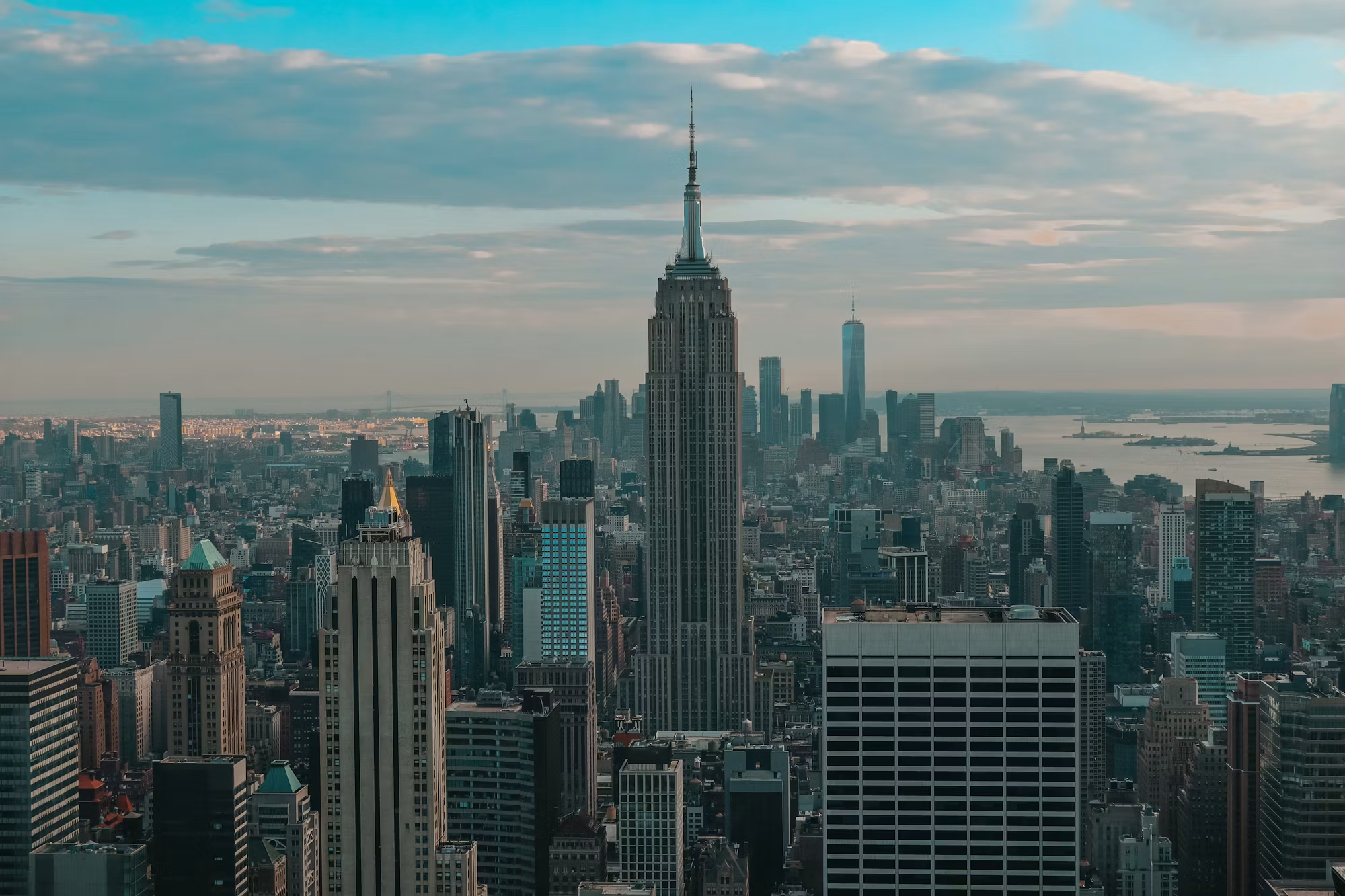
Skyscrapers are more than just tall buildings; they are a reflection of innovation, culture, and the aspirations of urban societies. As cities grow denser and the demand for space increases, the design of skyscrapers is evolving to meet new challenges and opportunities. This article explores the latest trends in skyscraper design, focusing on sustainability, technological advancements, and the integration of community spaces. One of the most significant trends in skyscraper design is the emphasis on sustainability. Modern skyscrapers are increasingly being designed with eco-friendly materials and technologies that reduce their environmental impact. Green roofs, solar panels, and energy-efficient systems are becoming standard features in many new developments. For instance, the Bosco Verticale in Milan incorporates vertical gardens that not only enhance aesthetics but also improve air quality and provide insulation. By prioritizing sustainability, skyscrapers contribute to the overall health of urban ecosystems while also appealing to environmentally conscious tenants and investors. The financial benefits of sustainable design are substantial. Many governments offer incentives for green buildings, such as tax breaks or grants, making them financially attractive to developers. Additionally, sustainable skyscrapers often have lower operating costs due to their energy-efficient features, allowing owners to realize significant savings over time. As cities increasingly prioritize sustainability, the demand for eco-friendly skyscrapers is likely to grow, reshaping urban landscapes. Technological advancements are also playing a crucial role in the design and construction of skyscrapers. Innovations such as Building Information Modeling (BIM) allow architects and engineers to create highly detailed digital representations of buildings before construction begins. This technology improves accuracy, reduces waste, and enhances collaboration among stakeholders. Moreover, smart building technologies are becoming more prevalent in skyscraper design. Features such as automated lighting, climate control, and security systems enhance the comfort and safety of occupants while optimizing energy consumption. As technology continues to advance, skyscrapers will likely become even more integrated with smart city infrastructure, improving urban living experiences. Community integration is another vital aspect of contemporary skyscraper design. Architects are increasingly recognizing the importance of creating spaces that foster social interaction and community engagement. Mixed-use developments that combine residential, commercial, and recreational spaces within a single skyscraper are gaining popularity. These designs promote a sense of belonging and encourage residents to engage with their neighbors. By incorporating amenities such as parks, fitness centers, and community gathering spaces, skyscrapers can become vibrant hubs of activity that contribute to the overall quality of urban life. Cities like New York and Toronto are leading the way in creating mixed-use skyscrapers that redefine urban living. The financial viability of mixed-use developments is also compelling. By combining different functionalities, developers can diversify their revenue streams and reduce risks associated with market fluctuations. This adaptability makes mixed-use skyscrapers appealing to investors, as they can weather economic changes more effectively than single-use buildings. Moreover, the presence of commercial spaces within residential skyscrapers can enhance property values, making these developments attractive to both residents and investors. The role of iconic design in skyscrapers cannot be overlooked. Landmark buildings, such as the Shard in London and the One World Trade Center in New York, often become symbols of their cities. These iconic structures attract tourists and contribute to the local economy, showcasing the potential of skyscrapers to shape urban identities. The architectural innovation involved in creating such landmarks inspires future generations of architects and designers, pushing the boundaries of what is possible in urban design. The integration of art and culture within skyscrapers is also gaining traction. Many modern developments include public art installations, galleries, and performance spaces, transforming skyscrapers into cultural hubs. This approach not only enriches the urban experience but also fosters a sense of community pride. By celebrating local artists and cultural heritage, skyscrapers can become important contributors to a city’s identity and vibrancy. As cities grapple with the challenges of rapid urbanization, the need for innovative skyscraper designs becomes increasingly urgent. Developers and architects are tasked with creating buildings that not only meet the demands of modern living but also contribute positively to the environment and community. The future of skyscraper design lies in the ability to balance these competing interests while pushing the boundaries of creativity and technology. In conclusion, the evolution of skyscraper design reflects broader trends in urban development, sustainability, and technology. As we look to the future, skyscrapers will continue to shape the urban landscape, serving as beacons of innovation and resilience. By embracing sustainable practices, leveraging technology, and fostering community integration, the skyscrapers of tomorrow will redefine urban living and contribute to the creation of vibrant, sustainable cities.
Innovative Design in Skyscrapers: Shaping the Future of Urban Living
Categories:
Related Post

The Essentials of Investment Finance: Building a Solid PortfolioThe Essentials of Investment Finance: Building a Solid Portfolio
This article explores the key principles of investment finance, including portfolio management, asse

Exploring the World of Swing Trading: Strategies for SuccessExploring the World of Swing Trading: Strategies for Success
A comprehensive guide to swing trading, covering its principles, strategies, and techniques for maxi

Cryptocurrency and the Future of Transactions: A New Era of Digital FinanceCryptocurrency and the Future of Transactions: A New Era of Digital Finance
This article delves into how cryptocurrency is transforming transactions in the digital finance land